Draft Submission Plan (Regulation 19)
Conserving and Enhancing the Historic Environment Comment
433.The Council recognises the importance of the historic environment to the Borough’s local character and distinctiveness, and to civic pride, and the cultural, social, environmental and economic benefits that its conservation brings. Heritage assets are an irreplaceable resource that should be conserved as appropriate to their significance, sustained and enhanced, and put to viable use consistent with their conservation. The Borough’s historic environment includes designated and non-designated heritage asset, historic landscapes and archaeological remains which contribute to its distinct character and sense of place. As part of reviewing the Boroughs historic environment, the Council considers that the following characteristics make a significant contribution to the local character and distinctiveness of the Borough: Comment
- The historic core of Solihull Town Centre and its adjacent parks;
- The historical development and variety of architectural styles within the Mature Suburbs and the larger established rural settlements of Meriden, Hampton-in-Arden, Balsall Common, Knowle, Dorridge, Bentley Heath, Hockley Heath, Cheswick Green and Tidbury Green;
- The Arden landscape, historic villages, hamlets, farmsteads, country and lesser houses and the distinct historic core of settlements including Berkswell, Barston, Temple Balsall, Meriden Hill, Walsal End, Hampton-in-Arden and Bickenhill, together with the historic core of Knowle.
- Parks, gardens and landscape including common, woodland, heathland and distinctive fieldscapes as defined in the Warwickshire Historic Landscape Characterisation; and
- The canal and railway network, including the working stations at Solihull, Olton, Dorridge and Shirley, together with associated structures.
434.The NPPF expects Local Plans to “deliver a positive strategy for the conservation, enhancement and enjoyment of the historic environment”. The Council's strategy is to sustain and enhance the significance of heritage assets, support viable uses consistent with their conservation, address risks arising from neglect, decay and other threats, and maximise the contribution that the historic environment makes to local character, distinctiveness and sustainable development. To do this the Local Plan should: Comment
- Identify the heritage assets within the plan area, including those heritage assets at most risk through neglect, decay or other threats. The Council will work with Historic England, asset owners, developers and local communities to identify heritage assets at risk and support measures that assist their repair, sustainable use and long-term conservation;
- Be supported by a local heritage list to identify non-designated heritage assets that are important to the local community. The Council will maintain and periodically review the Local Heritage List to ensure that locally significant heritage assets continue to be appropriately recognised and considered in planning decisions.
- Maintain an appropriate suite of Conservation Area Appraisals and Management Plans, reviewed periodically, to help manage development and identify opportunities and issues, and inform decisions affecting conservation areas.
- Maintain, update and make publicly accessible an appropriately scaled Historic Environment Record containing up-to-date evidence about the Borough’s historic environment and archaeological resource, to support plan making and development management.
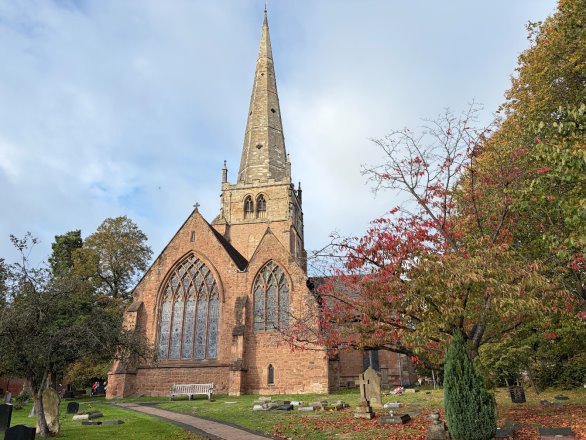
435.NDMPs HE4 – HE10 of the NPPF (as set out in Chapter 20 – Conserving and Enhancing the Historic Environment) provide a clear national policy basis upon which planning applications effecting the historic environment should be assessed. Comment
436.Generally, Conservation Areas are designated through a separate statutory process under Section 69 of the Planning (Listed Buildings and Conservation Areas) Act 1990, whilst Listed buildings are already designated nationally under the statutory listing system and recorded on the National Heritage List for England, maintained by Historic England on behalf of the Secretary of State. In addition, the Council maintains a robust HER that helps identify the respective heritage assets across the Borough, including a list of locally designated non-statutory heritage assets. The Historic Environment Record, Local Heritage List, Conservation Area Appraisals and Management Plans form an important evidence base for understanding heritage significance and informing planning decisions affecting the historic environment. In accordance with national policy, Conservation Areas are updated periodically and amended as and when appropriate with input from local communities and stakeholders. Comment
Policy SMBC/HE1: Assessing Effects on Heritage Assets Comment
- The Council will determine relevant planning applications affecting designated and non-designated heritage assets, including their setting, in accordance with the respective policies and guidance in the National Planning Policy Framework and support planning applications that appropriately and proportionately:
- Conserve designated and non-designated heritage assets in a manner appropriate to their significance and where opportunities arise, secure enhancements to the historic environment.
- Preserve and enhance the character and appearance of Conservation Areas to sustain their significance.
- Preserve archaeological remains and areas of archaeological potential and where preservation is not practical or feasible ensure appropriate investigation, recording and mitigation.
- Take account of the Historic Environment Record, Conservation Area Appraisals, Management Plans and any adopted supplementary planning guidance relevant to the heritage asset concerned.
- To support this approach the current list of Conservation Areas are identified on the Policies Map and will be maintained accordingly.
- All Heritage Assets will be maintained through the national listing process and the Councils Historic Environment Record.
